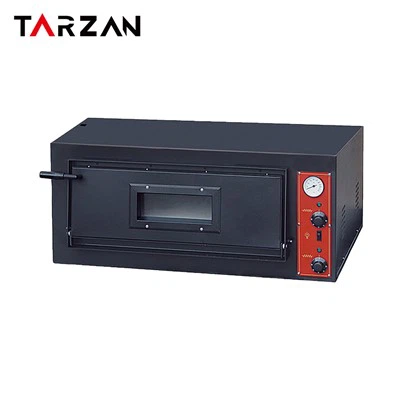
Hey there, fellow bakers and business owners! As a supplier of top - notch bakery ovens, I get asked a ton about the regulations for installing these bad boys in a commercial kitchen. It's super important to follow these rules not only to keep your kitchen safe but also to avoid any legal headaches down the road. So, let's dive right in and explore what you need to know.
Location, Location, Location
The first thing you've gotta think about is where in your commercial kitchen you're gonna put the oven. It needs to be placed on a stable and level surface. Floors in the kitchen can take a beating, and an uneven surface can lead to all sorts of problems, like the oven wobbling or not working properly.
You also need to make sure there's enough space around the oven. There should be at least a couple of feet of clearance on all sides. This is crucial for ventilation. Ovens get hot, really hot, and if they're crammed in a tight spot, the heat can't dissipate properly. That can cause damage to the oven itself and even be a fire hazard.


For example, if you're considering our Convection Oven Counter Top, it might seem small enough to just squeeze in anywhere, but you still need to leave that all - important breathing room.
Ventilation Requirements
Ventilation is a huge deal when it comes to installing a bakery oven. Baking produces a lot of heat, steam, and sometimes even fumes if you're using dough conditioners or other additives. Without proper ventilation, your kitchen can turn into a sauna, and not the relaxing kind.
Most local regulations require a built - in ventilation hood over the oven. The hood should be sized appropriately for the oven. It should be able to capture and remove all the heat, steam, and fumes effectively. You'll also need to have a proper exhaust system that vents outside.
The exhaust ductwork needs to be made of non - combustible materials. This is because during the baking process, hot air with small particles can travel through the ducts, and if they're made of something flammable, it's a recipe for disaster.
Our Commercial Kitchen Convection Oven is a powerful machine that generates a fair amount of heat and steam during operation. It's essential to have that right ventilation setup to keep everything running smoothly and safely.
Electrical and Gas Requirements
Depending on the type of oven you choose, you'll have to deal with either electrical or gas connections. If it's an electric oven like our Electric Bread Oven Commercial, it needs to be connected to a dedicated electrical circuit. This means no sharing the circuit with other appliances.
The electrical wiring must meet local electrical codes. This includes using the right gauge of wire and having proper grounding. If the wiring is too thin, it can overheat, leading to a potential fire. And proper grounding is essential to protect against electrical shocks.
For gas ovens, things get a little more complex. The gas line needs to be installed by a licensed gas fitter. They'll make sure there are no leaks and that the pressure is correct. You'll also need a gas shut - off valve that's easily accessible in case of an emergency.
Fire Safety Regulations
Fire safety is non - negotiable in a commercial kitchen. Your bakery oven should have a fire suppression system. This could be an automatic sprinkler system or a dry chemical fire extinguisher that's specifically designed for kitchen fires.
The fire suppression system should be installed and maintained according to the manufacturer's instructions. Regular inspections are a must. You don't want to find out that your fire suppression system isn't working when it's too late.
Also, make sure there are clear pathways around the oven. In case of a fire, you and your staff need to be able to get out quickly and safely.
Installation by a Professional
It's highly recommended to have your bakery oven installed by a professional. They have the knowledge and experience to make sure everything is done right. They'll know how to properly connect the electrical or gas lines, install the ventilation system, and ensure the oven is level and stable.
Even if you're handy around the house, commercial oven installation is a whole different ballgame. One small mistake could lead to big problems, not just with the oven's performance but also with compliance.
Building Codes and Permits
Before you even start thinking about installing the oven, you need to check your local building codes and obtain any necessary permits. These codes vary from one area to another, so it's important to do your homework.
Contact your local building department to find out what the requirements are. They can tell you if you need a permit for the installation, what kind of inspections will be required, and any other rules you need to follow.
If you're using a Commercial Electric Baking Oven or any other type of bakery oven, getting the proper permits and complying with building codes is a must.
Maintenance and Inspections
Once your oven is installed, the work doesn't end there. Regular maintenance and inspections are key to keeping it in good working order and compliant with regulations.
You should have a maintenance schedule for cleaning, checking the electrical or gas connections, and inspecting the ventilation system. This will help prevent breakdowns and ensure the safety of your kitchen.
Some local authorities may require periodic inspections by a qualified inspector. They'll check to make sure everything is still up to code.
Choosing the Right Oven for Your Needs
When you're in the market for a bakery oven, it's important to choose one that fits your needs and complies with regulations. For example, if you're mainly baking cakes, our Best Commercial Oven for Baking Cakes might be the perfect choice.
Consider factors like the size of your kitchen, the volume of baking you'll be doing, and your budget. And always make sure the oven you choose is certified to meet safety and performance standards.
Let's Talk
If you're thinking about purchasing a bakery oven and want to learn more about the installation process or have any questions about regulations, I'm here to help. Just reach out to me. I can provide you with all the information you need and guide you through the process from start to finish. Whether you're a small - scale baker or running a large commercial operation, I've got the right oven for you and can ensure a smooth installation that complies with all the necessary regulations.
References
- Local Building Department Guidelines
- National Fire Protection Association (NFPA) Codes
- Oven Manufacturer's Installation and Maintenance Manuals