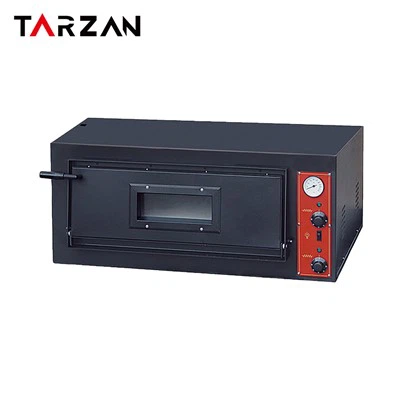
Hey there, fellow bakers and bakery owners! If you're reading this, chances are you're looking to install a new bakery oven. Well, you're in the right place. As a bakery oven supplier, I've helped countless folks through this process, and I'm here to share my insights with you.
Pre - installation Preparations
Before you even think about getting that oven into your bakery, there are a few things you need to take care of. First off, you've got to pick the right spot. The area should be well - ventilated because ovens generate a lot of heat and steam. You don't want your bakery to turn into a sauna! Also, make sure the floor is level and strong enough to support the weight of the oven.
Next up, check your electrical or gas supply. Different ovens have different power requirements. For instance, Commercial Electric Convection Oven For Bakeries obviously needs a proper electrical setup. If you're going for a gas - powered oven, ensure you have a secure gas line and that all the connections are leak - free. You don't want any gas mishaps, that's no joke!
Unpacking and Inspection
Once your oven arrives, it's exciting, right? But hold your horses. First, you need to carefully unpack the oven. Go through the packaging to make sure there aren't any parts missing. Inspect the oven for any visible damage, like dents or scratches. If you find anything wrong, contact the supplier right away. It's better to sort these things out before you start the installation.
Installation Steps
Positioning the Oven
Now that you've got a clear and suitable spot, it's time to move the oven into place. This can be a bit tricky because bakery ovens are usually heavy. You might need a few extra hands to lift it safely. Make sure the oven is centered in the area you've chosen and that it's sitting flat on the floor.
Electrical or Gas Connections
If it's an electric oven, you'll need to connect it to the power source according to the manufacturer's instructions. Don't try to cut corners here; use the right cables and make sure the connections are tight. For Commercial Electric Baking Oven, a proper electrical connection is crucial for its performance.
If you're using a gas oven, connect it to the gas line. But again, this is not a DIY job for the inexperienced. It's highly recommended to hire a professional gas fitter. They'll make sure the connections are correct and safe, so you don't have any gas leaks or other dangerous situations.
Ventilation Installation
As I mentioned earlier, ventilation is super important. Most bakery ovens come with vents, and you need to connect them to your existing ventilation system. If you don't have a ventilation system, it's time to install one. A good ventilation system will remove the heat, steam, and odors from your bakery, keeping it a comfortable place to work. For some high - end ovens like Commercial Kitchen Convection Oven, proper ventilation can really enhance its performance.
Testing the Oven
Once you've got everything installed, it's time to test the oven. Start by turning it on and setting it to a low temperature. Let it run for a while and check if it's heating up evenly. Listen for any strange noises; if you hear anything out of the ordinary, turn off the oven immediately and check for problems.
You should also test the controls. Make sure all the buttons and dials are working properly. Try setting different temperatures and time settings to see if the oven responds as it should.
Maintenance Tips
After a successful installation and testing, you need to maintain your oven to keep it in top condition. Regularly clean the oven, both inside and out. Remove any food debris or spills as soon as they happen. This will not only keep your oven looking good but also prevent any potential fire hazards.
Check the seals around the door regularly. If they're worn out, replace them. A good seal will help the oven retain heat, which is great for energy efficiency.
Different Types of Baking Ovens
There are several types of bakery ovens available, and each has its own features and uses.


- Convection Ovens: These ovens use fans to circulate hot air, which helps in even baking. They're great for baking large batches of bread, pastries, and cakes. You can check out our Commercial Convection Oven for more details.
- Pastry Ovens: Designed specifically for making pastries, these ovens often have precise temperature control. This is crucial for creating delicate pastries with the perfect texture. Our Commercial Pastry Oven is a top - notch choice for pastry lovers.
- Electric Bread Ovens: Ideal for baking bread, these ovens are often energy - efficient and easy to use. If you're into bread - making, take a look at our Electric Bread Oven Commercial.
Why Choose Our Bakery Ovens
As a bakery oven supplier, we offer high - quality ovens that are designed to meet the needs of professional bakers. Our ovens are made with the latest technology, which ensures even heating, energy efficiency, and long - lasting performance. We also provide excellent customer service. If you have any questions during the installation process or later on, our team is always ready to help.
If you're interested in upgrading your bakery with a top - of - the - line oven, or if you just have some questions about the installation process, don't hesitate to reach out. We're here to help you make the best choice for your bakery. Contact us to discuss your requirements and start a great partnership.
References
- Various bakery oven manufacturers' manuals
- Industry standards for bakery equipment installation