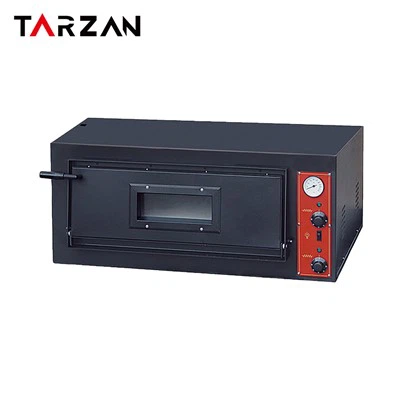
As a seasoned supplier of bakery ovens, I often get asked a variety of questions from bakers, both novice and experienced. One question that pops up quite frequently is, "Can a bakery oven be used for making brioche?" In this blog post, I'll delve into the intricacies of using a bakery oven for brioche production and provide you with all the necessary information to make an informed decision.
Understanding Brioche
Brioche is a rich, buttery, and eggy bread that originated in France. It has a soft, tender texture and a slightly sweet flavor, making it a favorite for breakfast, desserts, and even savory dishes. The high fat and egg content in brioche give it a distinct golden color and a luxurious mouthfeel.
The process of making brioche involves several steps, including mixing the dough, kneading, proofing, shaping, and finally, baking. Each step is crucial in achieving the perfect brioche, and the baking process plays a significant role in determining the final outcome.
The Role of a Bakery Oven in Brioche Baking
A bakery oven is designed to provide the right environment for baking various types of bread and pastries. When it comes to brioche, the oven needs to meet specific requirements to ensure that the bread bakes evenly, develops a crispy crust, and retains its moisture and flavor.
Temperature Control
One of the most important factors in brioche baking is temperature control. Brioche dough is sensitive to temperature changes, and baking it at the wrong temperature can result in underbaked or overbaked bread. A good bakery oven should be able to maintain a consistent temperature throughout the baking process, allowing the brioche to rise and bake evenly.
Most brioche recipes call for baking at a temperature between 350°F and 375°F (175°C and 190°C). However, the exact temperature may vary depending on the size and shape of the brioche, as well as the type of oven being used. A bakery oven with precise temperature control will allow you to adjust the temperature according to your specific recipe and baking needs.
Heat Distribution
In addition to temperature control, heat distribution is also crucial in brioche baking. Uneven heat distribution can cause the brioche to bake unevenly, resulting in a crust that is too dark on one side and underbaked on the other. A bakery oven with good heat distribution will ensure that the brioche bakes evenly throughout, resulting in a perfectly golden crust and a soft, moist interior.
There are two main types of bakery ovens: convection ovens and conventional ovens. Convection ovens use a fan to circulate hot air around the food, which helps to distribute heat more evenly and reduce baking time. Conventional ovens, on the other hand, rely on natural heat circulation, which can result in uneven baking.
For brioche baking, a convection oven is generally preferred because it provides more consistent heat distribution and allows for faster baking. However, if you don't have a convection oven, a conventional oven can still be used as long as you take the necessary precautions to ensure even baking, such as rotating the brioche halfway through the baking process.
Humidity Control
Humidity control is another important factor in brioche baking. The high fat and egg content in brioche dough can cause it to dry out quickly during baking, resulting in a hard, crusty exterior and a dry, crumbly interior. A bakery oven with humidity control will allow you to add moisture to the oven during the baking process, which helps to keep the brioche moist and prevent it from drying out.
Some bakery ovens come with built-in steam injection systems, which allow you to add steam to the oven at the beginning of the baking process. This helps to create a moist environment inside the oven, which is essential for developing a crispy crust and a soft, moist interior. If your bakery oven doesn't have a steam injection system, you can still add moisture to the oven by placing a pan of water on the bottom rack of the oven.
Types of Bakery Ovens Suitable for Brioche Baking
Now that you understand the role of a bakery oven in brioche baking, let's take a look at some of the types of bakery ovens that are suitable for making brioche.
Commercial Electric Baking Oven
Commercial electric baking ovens are a popular choice for bakeries because they are easy to use, energy-efficient, and provide consistent heat distribution. They are available in a variety of sizes and configurations, making them suitable for both small and large-scale bakeries.


Electric baking ovens are typically equipped with temperature controls, allowing you to adjust the temperature according to your specific baking needs. They also come with features such as timers, automatic shut-off, and multiple racks, which make them convenient and versatile.
Commercial Kitchen Convection Oven
As mentioned earlier, convection ovens are generally preferred for brioche baking because they provide more consistent heat distribution and allow for faster baking. Commercial kitchen convection ovens are designed specifically for use in commercial kitchens and are available in a variety of sizes and configurations.
Convection ovens use a fan to circulate hot air around the food, which helps to distribute heat more evenly and reduce baking time. They are typically equipped with temperature controls, allowing you to adjust the temperature according to your specific baking needs. They also come with features such as timers, automatic shut-off, and multiple racks, which make them convenient and versatile.
Commercial Pastry Oven
Commercial pastry ovens are designed specifically for baking pastries, cakes, and other delicate baked goods. They are typically smaller in size than commercial electric baking ovens and commercial kitchen convection ovens, making them suitable for small bakeries and pastry shops.
Pastry ovens are equipped with precise temperature controls, allowing you to bake pastries at the perfect temperature. They also come with features such as steam injection systems, which help to keep the pastries moist and prevent them from drying out.
Best Commercial Oven for Baking Cakes
If you're primarily interested in baking cakes, including brioche cakes, you may want to consider investing in a commercial oven that is specifically designed for cake baking. These ovens are typically equipped with features such as gentle heat distribution, which helps to prevent the cakes from cracking or burning, and a slow baking mode, which allows the cakes to bake evenly and develop a moist, tender texture.
Convection Oven Counter Top
Convection oven counter tops are a popular choice for small bakeries and home bakers because they are compact, easy to use, and affordable. They are typically smaller in size than commercial electric baking ovens and commercial kitchen convection ovens, making them suitable for baking small batches of brioche.
Counter top convection ovens are equipped with a fan to circulate hot air around the food, which helps to distribute heat more evenly and reduce baking time. They are also typically equipped with temperature controls, allowing you to adjust the temperature according to your specific baking needs.
Tips for Using a Bakery Oven to Make Brioche
Now that you know which types of bakery ovens are suitable for making brioche, here are some tips to help you get the best results:
- Preheat the oven: Preheating the oven is essential for ensuring that the brioche bakes evenly. Make sure to preheat the oven to the recommended temperature for at least 10-15 minutes before baking.
- Use a baking stone or baking sheet: A baking stone or baking sheet can help to distribute heat more evenly and prevent the brioche from sticking to the oven rack. If you're using a baking stone, make sure to preheat it in the oven along with the oven.
- Brush the brioche with egg wash: Brushing the brioche with egg wash before baking can help to give it a shiny, golden crust. Make sure to use a pastry brush to apply the egg wash evenly over the surface of the brioche.
- Bake the brioche on the middle rack: Baking the brioche on the middle rack of the oven can help to ensure that it bakes evenly. Avoid baking the brioche on the top or bottom rack, as this can cause it to bake unevenly.
- Check the brioche for doneness: To check if the brioche is done baking, insert a toothpick or a cake tester into the center of the brioche. If the toothpick or cake tester comes out clean, the brioche is done baking. If there is any batter or dough on the toothpick or cake tester, the brioche needs to be baked for a few more minutes.
- Let the brioche cool before slicing: Letting the brioche cool for at least 10-15 minutes before slicing can help to prevent it from falling apart and make it easier to slice.
Conclusion
In conclusion, a bakery oven can definitely be used for making brioche. However, it's important to choose the right type of oven and to follow the proper baking techniques to ensure that the brioche bakes evenly, develops a crispy crust, and retains its moisture and flavor.
As a bakery oven supplier, I have a wide range of ovens to choose from, including Commercial Electric Baking Ovens, Commercial Kitchen Convection Ovens, Commercial Pastry Ovens, Best Commercial Ovens for Baking Cakes, and Convection Oven Counter Tops. If you're interested in purchasing a bakery oven for making brioche or other baked goods, please don't hesitate to contact me for more information and to discuss your specific needs. I'm here to help you find the perfect oven for your bakery.
References
- "Brioche: A Classic French Bread Recipe." The Spruce Eats.
- "How to Bake Brioche in a Convection Oven." Serious Eats.
- "The Best Commercial Ovens for Bakers." Bon Appetit.