Do pizza ovens require ventilation? This is a question that often pops up among pizza enthusiasts, home cooks, and restaurant owners alike. As a pizza oven supplier, I've encountered this query numerous times, and I'm here to shed some light on the matter.
The Basics of Pizza Oven Ventilation
First and foremost, let's understand why ventilation might be necessary in the first place. When you use a pizza oven, especially a traditional wood - fired or gas - powered one, several things happen that can generate a need for proper air circulation.
Wood - fired pizza ovens burn wood to create high heat. In the process, they produce smoke, ash, and various combustion by - products. Smoke contains particulate matter, which can be harmful when inhaled over a long period. Ash can also become airborne and spread throughout the cooking area. If there is no ventilation, this smoke and ash will accumulate in the room, creating an unpleasant and potentially hazardous environment.
Gas - powered pizza ovens burn natural gas or propane. Combustion of these fuels releases carbon monoxide (CO), a colorless, odorless, and extremely toxic gas. Inadequate ventilation allows carbon monoxide to build up in the air, posing a serious threat to human health, including headaches, dizziness, nausea, and in severe cases, even death.
Even electric pizza ovens, which are generally considered cleaner, can benefit from ventilation. Although they don't produce combustion by - products like gas or wood ovens, they still generate heat. Excessive heat can make the cooking area uncomfortably hot, and it can also potentially damage nearby equipment or cause a fire hazard if the heat is not properly dissipated.
Different Types of Pizza Ovens and Their Ventilation Needs
Wood - Fired Pizza Ovens
Wood - fired pizza ovens are known for creating the classic, charred - crust pizzas with a unique smoky flavor. However, they require robust ventilation systems. In a commercial setting, a professional kitchen hood is usually installed over the wood - fired oven. This hood captures the smoke and ash at the source and vents them outside the building. The hood should be powerful enough to handle the large volume of smoke produced when the fire is burning at full force.
For home use, if you have an outdoor wood - fired pizza oven, natural ventilation through the open air is usually sufficient. But if you're using it in an enclosed patio or a garage, you'll need to install a ventilation fan to direct the smoke outside.


Gas - Powered Pizza Ovens
Commercial gas - fired pizza ovens also need proper ventilation. A Type 1 commercial kitchen hood is often required by building codes. These hoods are designed to handle the high heat and the potential for grease and gas by - products. They are connected to ductwork that leads outside, ensuring that carbon monoxide and other gases are removed from the kitchen.
In a residential setting, a simple over - range exhaust fan can be used for smaller gas pizza ovens. However, it's important to make sure the fan is properly installed and vents to the outside.
Electric Pizza Ovens
As mentioned earlier, electric pizza ovens are cleaner, but ventilation is still a good idea. In a commercial kitchen, an exhaust system can be used to remove the excess heat. This not only makes the working environment more comfortable but also helps to extend the lifespan of the oven and other equipment.
For home use, placing the oven near an open window or using a small table - top fan to blow the hot air away can help. But for more heavy - duty use, such as when baking multiple pizzas in a row, a more efficient ventilation solution may be required.
Our Products and Ventilation Considerations
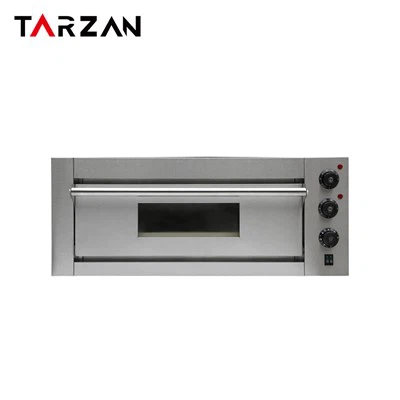
We offer a range of pizza ovens, including the Professional Electric Pizza Oven. This oven is a great choice for both home and small - scale commercial use. While it doesn't produce harmful combustion by - products, it does generate a significant amount of heat during operation. We recommend using it in a well - ventilated area, such as near an open window, or pairing it with a small exhaust fan to keep the cooking area cool.
Our Electric Double Pizza Oven is designed for more heavy - duty pizza production. With two compartments, it can bake multiple pizzas simultaneously, which means it generates more heat. In a commercial kitchen, it should be installed under a proper ventilation hood to ensure that the heat is effectively removed.
The Electric Double Deck Pizza Oven is another popular option. Ideal for parties or larger - scale home pizza - making operations, it too requires good ventilation. Adequate air circulation not only helps with heat management but also ensures that the pizza baking process is consistent.
Benefits of Proper Ventilation for Pizza Ovens
Proper ventilation offers several benefits beyond just removing harmful gases and heat. It can improve the taste of your pizzas. When there is good air circulation, the oven can maintain a more consistent temperature. This means that the pizzas cook evenly, resulting in better - tasting crusts and toppings.
Ventilation also helps to protect your investment. A well - ventilated pizza oven is less likely to overheat, which can reduce the risk of mechanical failures and extend the lifespan of the oven.
In a commercial setting, proper ventilation is essential for meeting health and safety regulations. Failing to provide adequate ventilation can result in fines and even closure of the business.
How to Ensure Adequate Ventilation
If you're installing a pizza oven in a new kitchen, it's important to plan for ventilation from the start. Hire a professional HVAC contractor to design and install a ventilation system that is suitable for your specific oven and cooking needs.
For existing kitchens, you can upgrade your ventilation system. If you have a small wood - fired or gas oven, you may be able to install a simple ventilation fan. For larger commercial ovens, you may need to install a more complex hood and ductwork system.
Conclusion
In conclusion, pizza ovens generally do require ventilation, regardless of whether they are wood - fired, gas - powered, or electric. Proper ventilation is crucial for ensuring a safe and comfortable cooking environment, protecting your health, improving the quality of your pizzas, and safeguarding your investment in the oven.
If you're considering purchasing a pizza oven for your home or business, and you have questions about ventilation requirements, or if you'd like to learn more about our products, we're here to help. Contact us for a detailed discussion on how to select the right pizza oven and set up an appropriate ventilation system for your needs. Let's start a conversation about your pizza - making aspirations!
References
- ASHRAE (American Society of Heating, Refrigerating and Air - Conditioning Engineers). Handbook of Fundamentals.
- NFPA (National Fire Protection Association) Codes and Standards related to kitchen ventilation.
- IES (Illuminating Engineering Society) Guidelines on Indoor Air Quality for kitchens.