Hey there, fellow foodies and kitchen enthusiasts! As a supplier of deep fryers, I get asked a ton of questions about these nifty kitchen gadgets. One of the most common ones is, "Are deep fryers compatible with different types of oils?" Today, I'm going to dive deep into this topic and give you all the lowdown you need.
First off, let's talk about why oil compatibility matters. Using the wrong type of oil in your deep fryer can lead to a whole bunch of problems. It can affect the taste and texture of your fried food, cause the oil to break down faster, and even damage your deep fryer over time. So, it's super important to choose the right oil for your deep frying needs.
Different Types of Oils and Their Suitability
Vegetable Oil
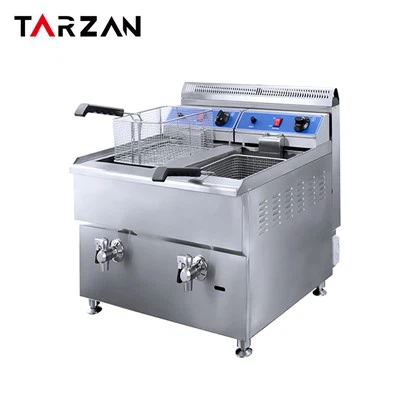
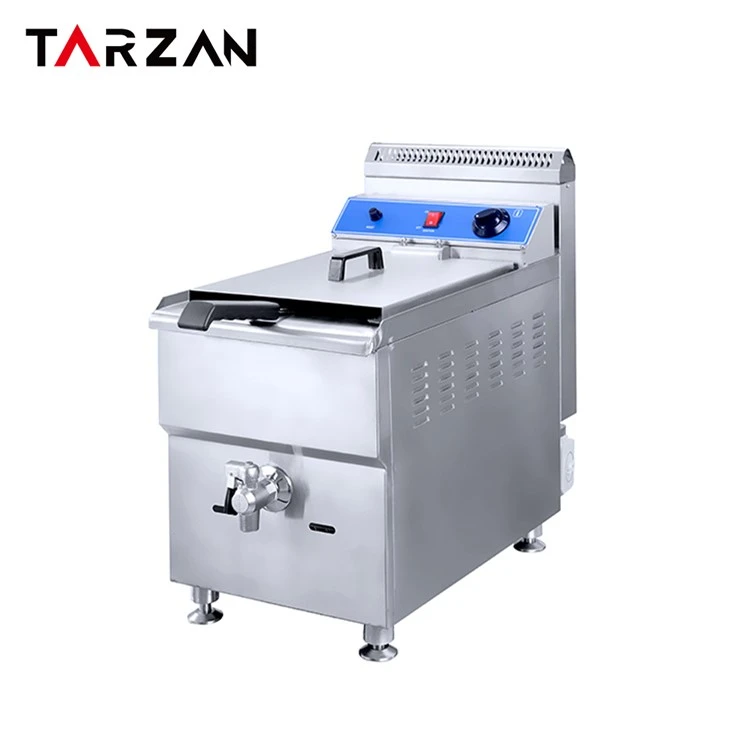
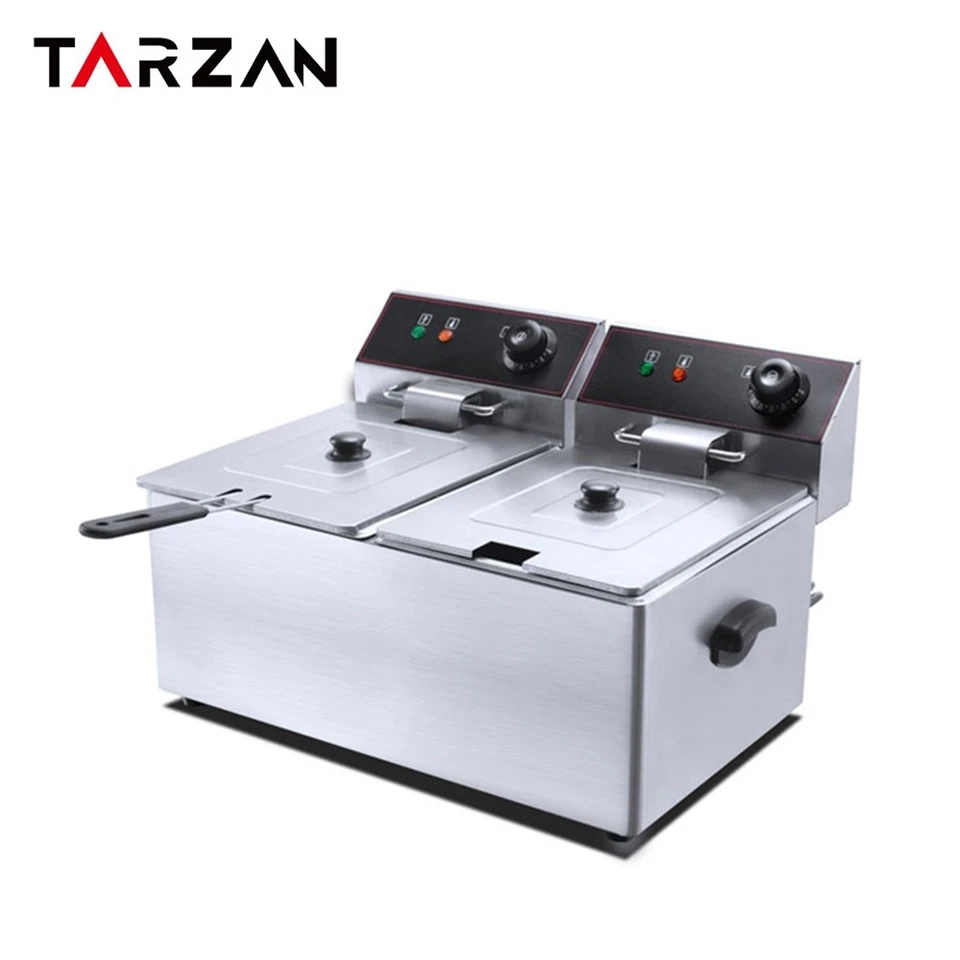
Vegetable oil is probably the most commonly used oil for deep frying, and for good reason. It has a high smoke point, which means it can handle high temperatures without burning or smoking. This makes it perfect for deep frying all sorts of foods, from French fries to chicken wings. It also has a neutral flavor, so it won't overpower the taste of your food. You can use vegetable oil in just about any type of deep fryer, whether it's a Twin Fryer Commercial, a Portable Deep Fryer, or a Dual Tank Deep Fryer.
Canola Oil
Canola oil is another great option for deep frying. It's low in saturated fat and high in heart-healthy unsaturated fats, making it a healthier choice compared to some other oils. Like vegetable oil, canola oil has a high smoke point and a neutral flavor, so it's suitable for a wide range of deep-fried foods. You can pair it with various deep fryers, including the Tabletop Fryer Commercial and the Commercial Counter Top Fryer.
Peanut Oil
Peanut oil is a favorite among many deep fryers. It has a high smoke point and a slightly nutty flavor that can add a delicious twist to your fried food. Peanut oil is perfect for deep frying chicken, fish, and tempura. However, it's important to note that some people have peanut allergies, so you need to be careful when using it in a commercial setting or if you're cooking for someone with a peanut allergy.
Coconut Oil
Coconut oil has gained popularity in recent years, and it can also be used for deep frying. It has a distinct tropical flavor that can be a great addition to certain types of fried food, like donuts or sweet potato fries. However, coconut oil has a relatively low smoke point compared to other oils, so it's best used for shallow frying or for frying at lower temperatures.
Olive Oil
Olive oil is a staple in many kitchens, but it's not the best choice for deep frying. It has a relatively low smoke point, which means it can start to burn and smoke at high temperatures. This can not only affect the taste of your food but also release harmful compounds. While you can use extra-virgin olive oil for shallow frying or for adding flavor to your food after it's been fried, it's not recommended for deep frying in a deep fryer.
Factors Affecting Oil Compatibility
Smoke Point
As mentioned earlier, the smoke point of an oil is crucial when it comes to deep frying. The smoke point is the temperature at which the oil starts to break down and produce smoke. When an oil reaches its smoke point, it can release harmful compounds and develop a bitter taste. You want to choose an oil with a high smoke point for deep frying, as it can withstand the high temperatures required for frying without burning or smoking.
Flavor
The flavor of the oil can also have a big impact on the taste of your fried food. Some oils, like peanut oil and coconut oil, have distinct flavors that can enhance the taste of certain types of food. On the other hand, if you want your fried food to have a more neutral taste, you might want to choose an oil with a milder flavor, like vegetable oil or canola oil.
Cost
Cost is another factor to consider when choosing an oil for your deep fryer. Some oils, like peanut oil and olive oil, can be more expensive than others. If you're using a deep fryer on a regular basis, you might want to choose a more affordable oil that still meets your needs in terms of smoke point and flavor.
How to Choose the Right Oil for Your Deep Fryer
Consider the Type of Food You're Frying
Different types of food require different types of oils. For example, if you're frying chicken, you might want to use an oil with a high smoke point and a neutral flavor, like vegetable oil or canola oil. If you're frying something sweet, like donuts, you might want to use an oil with a more delicate flavor, like coconut oil.
Think About Your Budget
As mentioned earlier, cost is an important factor to consider. If you're on a tight budget, you might want to choose a more affordable oil, like vegetable oil. However, if you're willing to spend a little more for a higher-quality oil with a better flavor, you might want to go for something like peanut oil.
Check the Manufacturer's Recommendations
Finally, it's always a good idea to check the manufacturer's recommendations for your deep fryer. Some deep fryers might be designed to work best with certain types of oils, and using the wrong oil could void your warranty or damage your deep fryer.
Tips for Using Different Oils in Your Deep Fryer
Don't Mix Different Oils
It's generally not a good idea to mix different types of oils in your deep fryer. Different oils have different smoke points and chemical properties, and mixing them can cause the oil to break down faster and affect the quality of your fried food.
Filter the Oil Regularly
To extend the life of your oil and keep your deep fryer working properly, it's important to filter the oil regularly. You can use a fine-mesh strainer or a specialized oil filter to remove any food particles or debris from the oil.
Store the Oil Properly
When you're not using the oil, make sure to store it properly. Keep it in a cool, dark place away from heat and light, and make sure the container is tightly sealed to prevent oxidation.
In conclusion, deep fryers are generally compatible with a variety of different types of oils, but it's important to choose the right oil for your specific needs. By considering factors like smoke point, flavor, and cost, you can ensure that you're using the best oil for your deep frying adventures. And if you're in the market for a new deep fryer, be sure to check out our Twin Fryer Commercial, Portable Deep Fryer, Dual Tank Deep Fryer, Tabletop Fryer Commercial, and Commercial Counter Top Fryer.
If you have any questions about our deep fryers or need help choosing the right oil for your needs, don't hesitate to reach out. We're here to help you make the most of your deep frying experience. Contact us to discuss your procurement needs and find the perfect deep fryer for your kitchen or business.
References
- "Cooking Oil Basics." The Spruce Eats.
- "Choosing the Right Oil for Frying." Food Safety.gov.