Introduction
Opening a new restaurant is exciting, but it comes with many challenges-including choosing the right commercial kitchen equipment. Proper planning and selecting the right tools can improve efficiency, ensure food safety, and reduce costly mistakes in the long term.
This guide provides a comprehensive checklist of essential restaurant equipment for new restaurants, cafes, fast-food outlets, and catering businesses. Whether you're opening a small café or a full-service restaurant, this guide will help you make informed purchasing decisions and optimize your kitchen workflow.
Why a Restaurant Equipment Checklist Is Important?
A restaurant kitchen is the heart of your business. Poor equipment planning can result in:
Inefficient Workflow
Increased Labor Costs
Food Safety Issues
Higher Energy Bills
Equipment Downtime
Delays In Service
Cooking Equipment
Cooking equipment is the core of any kitchen. Consider your menu and expected volume to determine the right items.
|
Essential Cooking Equipment (Tip: Select energy-efficient models to save operating costs and maintain consistent temperatures.) |
|
| Commercial Ranges & Ovens | Gas or electric ranges with convection ovens for baking, roasting, and cooking. |
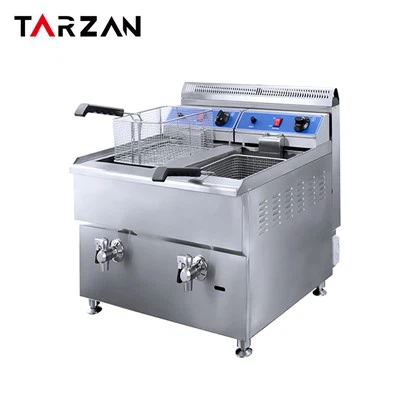
| Deep Fryers | For fries, fried chicken, seafood, and specialty items. Consider capacity and oil filtration. |
| Grills & Griddles | Flat-top griddles for burgers, pancakes, and sandwiches; charbroilers for steaks and grilled items. |
| Pasta Cookers & Steamers | For Italian or Asian restaurants, consider high-capacity pasta cookers and steamers. |
| Microwave Ovens | Useful for reheating or small-scale prep in fast-service environments. |
Food Preparation Equipment
Preparation equipment improves kitchen efficiency and reduces labor costs.
|
Must-Have Prep Equipment [Tip: Ensure equipment is easy to clean and meets food safety standards (NSF certification is preferred).] |
|
| Commercial Mixers | For dough, batter, or large-volume recipes. |
| Food Processors & Blenders | For sauces, purees, and dips. |
| Slicers & Choppers | For meats, vegetables, and cheeses. |
| Cutting Boards & Work Tables | Stainless steel tables and color-coded cutting boards for hygiene compliance. |
| Portioning Tools | Scales, scoops, and ladles for consistent servings. |
Refrigeration & Cold Storage
Cold storage ensures food safety and prevents spoilage.
|
Essential Refrigeration Equipment (Tip: Consider energy efficiency ratings and temperature control accuracy to reduce costs.) |
|
| Reach-In Refrigerators & Freezers | For dry storage and daily prep items. |
| Walk-In Coolers & Freezers | High-volume storage for bulk ingredients. |
| Under-Counter Refrigerators | For easy access in prep areas. |
| Display Refrigerators | For ready-to-eat items, beverages, or desserts. |
| Blast Chillers & Shock Freezers | Rapidly cool hot food to preserve quality and meet safety regulations. |
Conclusion
Launching a new restaurant operation involves a complex workflow, yet a well-structured equipment checklist ensures your kitchen is fully prepared for seamless production. As discussed in this article, selecting the right cooking equipment and ice-making systems is foundational-optimizing kitchen throughput, safeguarding food quality, and directly enhancing guest satisfaction.
Properly specified cooking lines and reliable ice production not only streamline daily operations but also reduce energy costs and maintenance risks. However, a truly efficient commercial kitchen requires more than just heat and ice.
By carefully planning and sourcing high-quality, durable equipment from trusted suppliers, restaurant owners and foodservice operators can mitigate operational risks, control total cost of ownership, and establish a scalable foundation for long-term success.
Coming up in the next article:
We will continue with the remaining critical categories of commercial kitchen equipment-beverage dispensers and brewing systems, food prep tools, smallwares, and sanitation stations. These components are essential to completing a fully integrated back-of-house that runs smoothly from receiving and preparation to cooking, serving, and cleaning.
Stay tuned for actionable insights to help you build a turnkey kitchen solution.