The noise level of a conveyor oven is an important consideration for businesses, especially those in the food service industry. As a conveyor oven supplier, I have seen firsthand how the noise level can impact the overall operation of a kitchen. In this blog post, I will discuss what the noise level of a conveyor oven is, what factors can affect it, and how to choose a conveyor oven with an acceptable noise level.
What is the Noise Level of a Conveyor Oven?
The noise level of a conveyor oven is typically measured in decibels (dB). A decibel is a unit of measurement that represents the intensity of sound. The higher the decibel level, the louder the sound. The noise level of a conveyor oven can vary depending on several factors, including the type of oven, the size of the oven, and the speed of the conveyor belt.
On average, a conveyor oven can produce noise levels ranging from 60 to 80 dB. This is comparable to the noise level of a normal conversation or a vacuum cleaner. However, some conveyor ovens can produce noise levels as high as 90 dB or more, which is equivalent to the noise level of a lawnmower or a motorcycle.
Factors Affecting the Noise Level of a Conveyor Oven
Several factors can affect the noise level of a conveyor oven. Here are some of the most common factors:
- Type of Oven: Different types of conveyor ovens can produce different noise levels. For example, a convection conveyor oven may produce more noise than a standard conveyor oven because of the additional fan used to circulate the hot air.
- Size of the Oven: Larger conveyor ovens may produce more noise than smaller ones because they have more components and a larger conveyor belt.
- Speed of the Conveyor Belt: The faster the conveyor belt moves, the more noise it can produce. This is because the belt rubs against the rollers and other components, creating friction and vibration.
- Quality of the Oven: Higher-quality conveyor ovens are often designed to be quieter than lower-quality ones. This is because they use better materials and construction techniques to reduce noise.
- Installation and Maintenance: Proper installation and maintenance of a conveyor oven can also affect its noise level. If the oven is not installed correctly or is not maintained regularly, it can produce more noise than normal.
Why is the Noise Level of a Conveyor Oven Important?
The noise level of a conveyor oven can have several implications for businesses. Here are some of the reasons why it is important to consider the noise level when choosing a conveyor oven:
- Employee Comfort: High noise levels can be uncomfortable for employees, especially if they are working in close proximity to the oven for long periods of time. This can lead to fatigue, stress, and even hearing loss over time.
- Customer Experience: Excessive noise can also have a negative impact on the customer experience. If the noise level in a restaurant or bakery is too high, it can make it difficult for customers to have a conversation or enjoy their meal.
- Compliance with Regulations: In some areas, there are regulations regarding the maximum noise level that a business can produce. If a conveyor oven produces noise levels that exceed these regulations, the business may be subject to fines or other penalties.
How to Choose a Conveyor Oven with an Acceptable Noise Level
When choosing a conveyor oven, it is important to consider the noise level. Here are some tips to help you choose a conveyor oven with an acceptable noise level:
- Read the Manufacturer's Specifications: The manufacturer's specifications should include information about the noise level of the oven. Look for ovens that have a noise level of 70 dB or less.
- Look for Noise-Reducing Features: Some conveyor ovens are designed with noise-reducing features, such as insulated panels or quiet fans. These features can help to reduce the noise level of the oven.
- Consider the Installation Location: The location where the oven will be installed can also affect the noise level. If possible, install the oven in a location that is away from areas where employees or customers will be spending a lot of time.
- Test the Oven: Before purchasing a conveyor oven, it is a good idea to test it to see how loud it is. You can do this by visiting a showroom or asking the manufacturer to provide a demonstration.
Our Conveyor Ovens
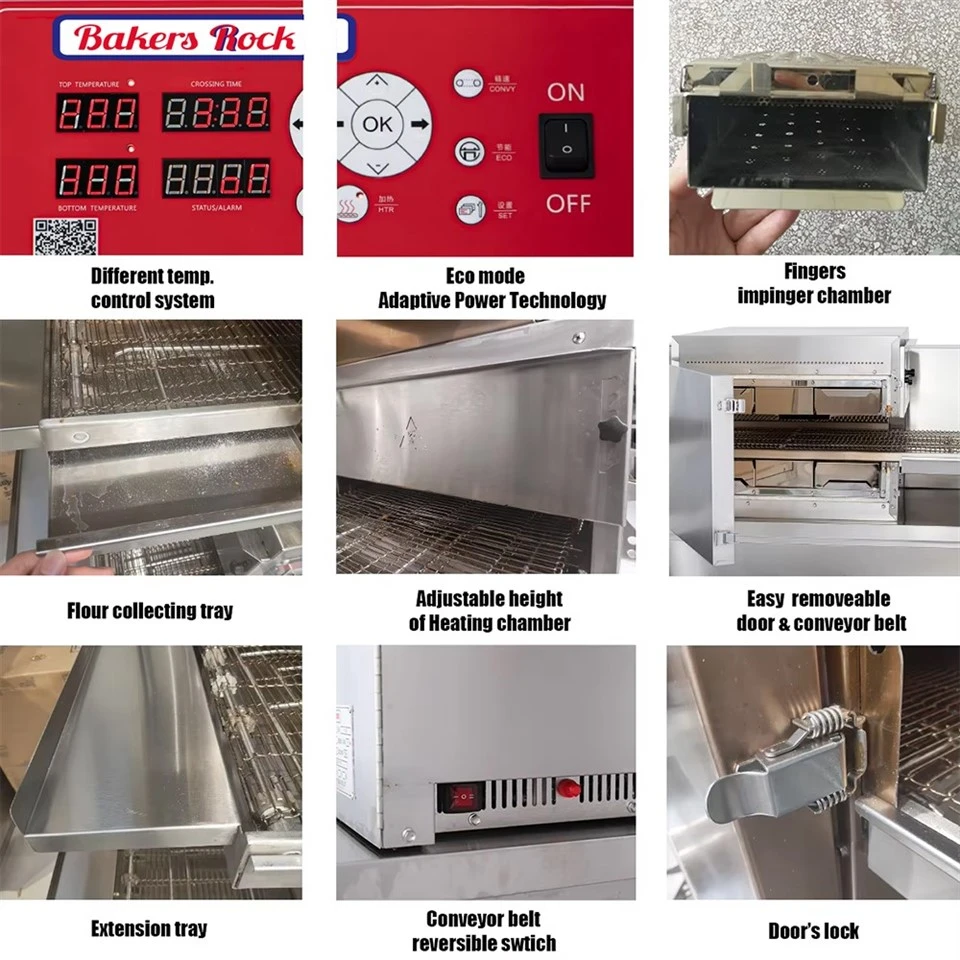
As a conveyor oven supplier, we offer a wide range of conveyor ovens that are designed to be quiet and efficient. Our Commercial Toaster Oven Conveyor is a popular choice for businesses that need to toast bread, bagels, and other baked goods. It is designed with a quiet fan and insulated panels to reduce noise.
Our Countertop Conveyor Pizza Oven is another popular option for pizzerias and restaurants. It is compact and easy to use, and it produces a low noise level.
We also offer a Convection Conveyor Oven that is designed for high-volume baking. It uses a powerful fan to circulate the hot air, which helps to cook the food evenly and quickly. Despite its high performance, it produces a relatively low noise level.
Contact Us for a Quote
If you are interested in purchasing a conveyor oven, we would be happy to provide you with a quote. Our team of experts can help you choose the right oven for your business and answer any questions you may have. Contact us today to learn more about our conveyor ovens and how they can benefit your business.

References
- American National Standards Institute. (2013). ANSI S1.1-2013: American National Standard Acoustical Terminology.
- Occupational Safety and Health Administration. (2019). Occupational Noise Exposure.