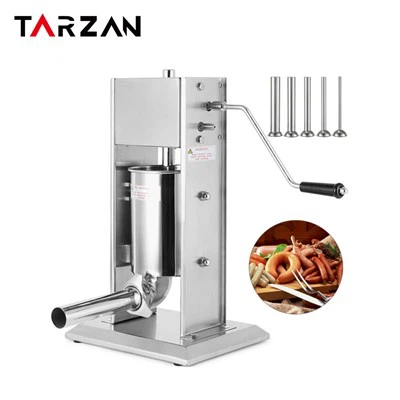
For distributors and wholesalers in the commercial kitchen equipment industry, choosing the right product mix is not just about selling machines-it's about ensuring stable demand, low after-sales risk, and strong repeat orders. Among fast-growing categories in the foodservice sector, the commercial kebab machine has become a reliable performer, especially in Middle Eastern, European, and fast-food markets.
This guide breaks down what distributors and wholesalers should consider before sourcing kebab machines for their product portfolio.
Understand the Market Demand First
Before selecting a kebab machine supplier or model, it's important to understand where demand is coming from.
Commercial Kebab Machine are widely used in:
Shawarma and doner kebab restaurants
Fast-food chains and takeaway shops
Food trucks and street food vendors
Halal food restaurants and catering businesses
In many regions, especially the Middle East, South America, and parts of Europe, kebab-based menus are a daily staple. This creates consistent replacement demand and steady equipment turnover-ideal for wholesalers.

Main Types of Commercial Kebab Machines
Different buyers will need different configurations. As a distributor, offering variety increases your market coverage.
Gas Kebab Machines
Suitable for high-volume restaurants
Faster heating and lower operating cost in some regions
Preferred where gas supply is stable and cheap
Electric Kebab Grill Machine
Easier installation and safer operation
More popular in indoor kitchens and small restaurants
Stable temperature control and lower maintenance
Vertical Rotating Kebab Machines
Most common structure
Even heat distribution for consistent cooking
Available in single or multi-burner designs
Offering both gas and electric versions allows you to cover both small and large foodservice clients.
Key Technical Factors That Affect Buyer Decisions
Distributors should focus on specifications that directly influence restaurant performance and long-term satisfaction.
Heating Efficiency
Fast and even heating improves serving speed during peak hours. Buyers prefer machines that can maintain consistent temperature without frequent adjustment.
Burner Configuration
More burners mean better control and higher capacity. For wholesalers, multi-burner models often sell better in high-demand urban markets.
Material Quality
Stainless steel construction is essential. It ensures:
Corrosion resistance
Easy cleaning
Longer service life
Safety Features
Cost Factors You Should Know
Instead of focusing only on price, distributors should understand what drives cost differences:
Fuel type (gas vs electric)
Burner quantity and heating power
Stainless steel grade and thickness
Certification requirements (CE, etc.)
OEM/branding customization
Lower-cost models usually target entry-level food stalls, while higher-end machines are used by chain restaurants and established kebab shops.
What Wholesalers Should Look for in a Supplier
Choosing the right manufacturer is more important than choosing the product itself.
A reliable kebab machine supplier should offer:
Stable production capacity for bulk orders
OEM/ODM customization (logo, packaging, voltage)
Consistent spare parts supply
Export experience (especially Middle East & South America)
Strict quality control system
For distributors, after-sales risk is often more expensive than product cost itself.
Packaging the Product for Better Sales
Successful wholesalers don't just sell machines-they sell solutions.
You can bundle kebab machines with:
Commercial grills or fryers
Food warming equipment
Spare burner kits
Installation and maintenance accessories
This increases average order value and improves customer retention.
The commercial kebab machine market continues to grow alongside fast-food expansion worldwide. For distributors and wholesalers, success depends on selecting models that balance durability, performance, and market adaptability.
A well-chosen product line can generate repeat orders from restaurants, food chains, and distributors-especially in high-demand regions like the Middle East and South America.