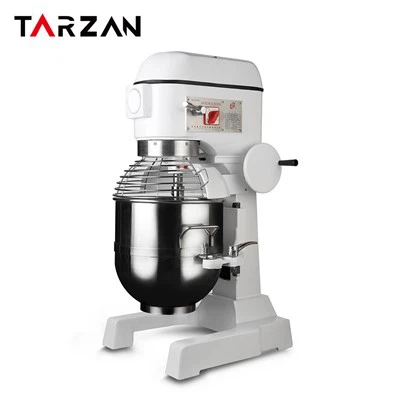
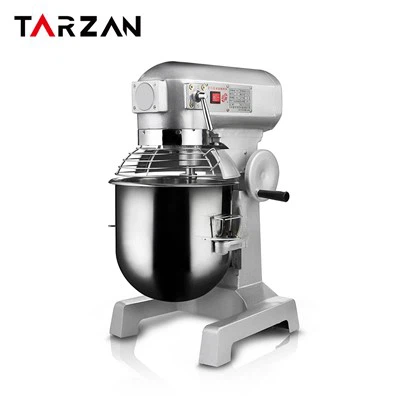
In commercial bakeries that produce cakes in large batches on a daily basis, a cake mixer is an indispensable tool in any baking facility or kitchen. As a supplier of cake mixers, I am frequently asked about the operating principles behind these machines. In this blog post, I will take you on a deep dive into the inner workings of cake mixers, exploring their key components, various functions, and how they operate.
Components of a Cake Mixer
Before delving into how a cake mixer works, it's important to understand its main components. A typical cake mixer consists of the following parts:
-
Motor: The motor is the core component of a cake mixer. It provides the power required to drive the mixing attachments. The motor power of cake mixers varies, depending on the size of the mixer and its intended use. Typically, a power output of around 300 to 350 watts is used.
-
Mixing Bowl: The mixing bowl is where the ingredients are placed for mixing. It comes in different sizes and materials, such as stainless steel or plastic. The bowl is usually detachable for easy cleaning.
-
Mixing Attachments: There are several types of mixing attachments available for cake mixers, each designed for a specific mixing task. The most common attachments are the beater, whisk, and dough hook.
- Beater: The beater is used for creaming butter and sugar, mixing dry ingredients with wet ingredients, and incorporating air into the mixture. It has a flat, paddle-shaped design that moves the ingredients around the bowl.
- Whisk: The whisk is ideal for whipping cream, egg whites, and making light, fluffy mixtures. It has a wire-like structure that traps air bubbles in the ingredients as it rotates.
- Dough Hook: The dough hook is specifically designed for kneading dough. It has a spiral shape that grabs and folds the dough, developing the gluten in the flour and creating a smooth, elastic dough.
-
Speed Control: Most cake mixers come with a speed control feature that allows you to adjust the speed of the mixing attachments. This is important because different ingredients and mixing tasks require different speeds. For example, when creaming butter and sugar, a low to medium speed is usually sufficient, while whipping egg whites may require a higher speed.
-
Gearbox: The gearbox is responsible for transferring the power from the motor to the mixing attachments. It contains a series of gears that can change the speed and torque of the attachments.
How a Cake Mixer Works
The operation of a cake mixer can be broken down into several steps:
-
Power On: When you turn on the cake mixer, the motor starts to run. The motor is connected to the gearbox, which in turn is connected to the mixing attachments.
-
Selection of Attachment: You need to select the appropriate mixing attachment for the task at hand. For example, if you're making a cake batter, you might start with the beater to cream the butter and sugar.
-
Speed Adjustment: Set the speed of the mixer according to the requirements of the recipe. As mentioned earlier, different tasks require different speeds.
-
Mixing Process: Once the mixer is running at the desired speed, the mixing attachment starts to move the ingredients around the bowl. The beater, whisk, or dough hook works to combine the ingredients, break up lumps, and incorporate air into the mixture.
- When using the beater, it scrapes the sides and bottom of the bowl, ensuring that all the ingredients are evenly mixed. The paddle-shaped design of the beater helps to push the ingredients towards the center of the bowl and then back out to the sides.
- The whisk, on the other hand, rotates at a high speed, creating a vortex in the mixture. This vortex draws air into the ingredients, which is essential for making light and fluffy cakes, meringues, and whipped cream.
- The dough hook grabs the dough and folds it over itself repeatedly. As it does this, the gluten in the flour is developed, giving the dough its elasticity and structure.
-
Completion of Mixing: Once the ingredients are thoroughly mixed, you can turn off the mixer. You can then remove the mixing bowl and use the mixed ingredients for baking or other culinary purposes.
The Science Behind Cake Mixing
The process of mixing ingredients in a cake mixer is not just about combining them physically; there are also several scientific principles at work.
-
Emulsification: When you cream butter and sugar together, you're creating an emulsion. An emulsion is a mixture of two immiscible liquids, in this case, the fat in the butter and the water in the sugar syrup. The beater in the cake mixer helps to break the fat into small droplets and disperse them throughout the mixture, creating a smooth and creamy texture.
-
Aeration: Incorporating air into the mixture is crucial for making light and fluffy cakes. When you use a whisk to beat egg whites or cream, the whisk creates small air bubbles in the mixture. These air bubbles expand during baking, causing the cake to rise.
-
Gluten Development: When kneading dough with a dough hook, the gluten in the flour is developed. Gluten is a protein that gives dough its elasticity and structure. The dough hook stretches and folds the dough, aligning the gluten molecules and creating a network that holds the dough together.


Maintenance and Care
To ensure the longevity and optimal performance of your cake mixer, it's important to follow proper maintenance and care procedures.
-
Cleaning: After each use, remove the mixing attachments and the mixing bowl and wash them with warm, soapy water. Make sure to dry them thoroughly before storing. Wipe the exterior of the mixer with a damp cloth.
-
Lubrication: Some cake mixers may require periodic lubrication of the moving parts. Refer to the manufacturer's instructions for specific lubrication requirements.
-
Storage: Store the cake mixer in a dry, cool place. If possible, keep it in its original box or a protective cover to prevent dust and damage.
Conclusion
A cake mixer is a powerful and versatile tool that simplifies the process of baking and cooking. By understanding how it works, you can make the most of its features and create delicious cakes, pastries, and other treats.
Our range of Commercial Cake Mixer Machine, Professional Cake Mixer, and Milkshake Stand Mixer offers excellent quality and performance. Contact us to discuss your specific requirements and start your procurement process today.
References
- "Baking Science and Technology" by Paula Figoni
- "The Professional Pastry Chef" by Bo Friberg