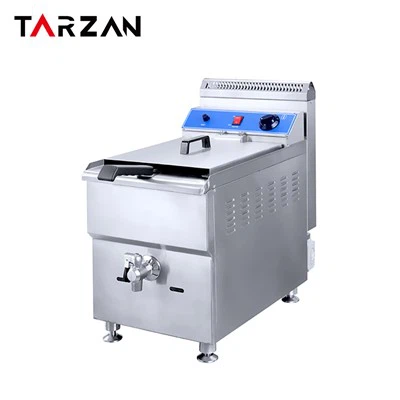
Storing a deep fryer properly when it's not in use is crucial to ensure its longevity, maintain its performance, and guarantee safety. As a deep fryer supplier, I've encountered various scenarios and learned the best practices for deep fryer storage. In this blog, I'll share some comprehensive tips on how to store a deep fryer effectively.
Step 1: Cool Down the Deep Fryer
Before you even think about storing your deep fryer, it's essential to let it cool down completely. This is a non - negotiable step. A hot deep fryer can cause burns if you try to handle it, and it can also damage the storage area or any materials it comes into contact with. Depending on the type and size of the deep fryer, cooling can take anywhere from 30 minutes to a few hours. For instance, a large Twin Tank Gas Fryer used in a commercial kitchen may take longer to cool compared to a small countertop electric fryer.
Step 2: Drain the Oil
The oil in the deep fryer is one of the main factors that need careful consideration during storage. Leaving oil in the fryer for an extended period can lead to oxidation, which not only affects the quality of the oil but can also cause corrosion inside the fryer.


First, place a large, heat - resistant container beneath the fryer's drain valve. Open the valve slowly to allow the oil to flow out. Be cautious as the oil may still be hot, especially if the fryer hasn't cooled down completely. Once the oil has drained, you can filter it through a fine - mesh strainer to remove any food particles. This filtered oil can be stored in a sealed container for future use.
If you're using a Twin Fryer Commercial, it may have two separate oil tanks. Make sure to drain each tank thoroughly.
Step 3: Clean the Deep Fryer
Cleaning is a vital part of the storage process. A dirty fryer can attract pests, develop mold, and cause malfunctions over time.
- Exterior Cleaning: Use a damp cloth and a mild detergent to wipe down the outside of the fryer. Pay special attention to areas where oil and food splatters may have accumulated, such as the control panel, handles, and the sides of the fryer. Avoid using abrasive cleaners that can scratch the surface.
- Interior Cleaning: For the interior, you can use a non - abrasive sponge or a soft brush to remove any remaining oil and food debris. Some deep fryers come with removable parts, such as baskets and filters. These parts can be soaked in warm, soapy water and scrubbed gently to get rid of stubborn stains. A Twin Tank Electric Fryer may have more intricate internal components, so be extra careful when cleaning them.
Step 4: Disassemble (if possible)
Many deep fryers can be partially disassembled for easier storage. Remove any removable parts like the heating element, baskets, and filters. This not only makes the fryer more compact but also allows for more thorough cleaning.
When disassembling, keep track of all the parts and their corresponding screws or connectors. You can place them in a labeled plastic bag to avoid losing them.
Step 5: Choose the Right Storage Location
The storage location plays a significant role in maintaining the condition of your deep fryer.
- Dry and Cool Environment: Humidity can cause rust and corrosion on the metal parts of the fryer. Choose a location that is dry and has a relatively stable temperature. A basement or a garage may not be the best options if they are prone to dampness.
- Avoid Direct Sunlight: Sunlight can fade the finish of the fryer and may also cause the plastic parts to become brittle over time. Store the fryer in a shaded area.
- Safe from Physical Damage: Make sure the storage area is free from heavy objects that could fall on the fryer and damage it. Also, keep it away from areas where it could be accidentally bumped or knocked over.
Step 6: Protect the Deep Fryer
Once the fryer is clean and dry, you can take additional steps to protect it during storage.
- Cover the Fryer: Use a custom - fit cover or a large piece of cloth to cover the fryer. This will prevent dust and dirt from settling on it.
- Store Parts Properly: If you've disassembled the fryer, store the parts in a way that they won't get damaged. You can wrap delicate parts like the heating element in bubble wrap.
Step 7: Regular Checks
Even when the deep fryer is in storage, it's a good idea to perform regular checks. Every few months, take a look at the fryer to ensure that there are no signs of rust, mold, or damage. If you notice any issues, address them immediately.
Why Proper Storage Matters
Proper storage of a deep fryer has several benefits. Firstly, it extends the lifespan of the fryer. By preventing rust, corrosion, and damage from food debris, you can ensure that the fryer remains in good working condition for years to come. Secondly, it saves you money. A well - maintained fryer is less likely to break down, which means fewer repair or replacement costs. Thirdly, it ensures food safety. A clean and properly stored fryer will produce high - quality fried food, free from contaminants.
Conclusion
Storing a deep fryer when not in use is a multi - step process that requires attention to detail. By following these steps, you can keep your deep fryer in excellent condition and ready for use whenever you need it.
As a deep fryer supplier, I understand the importance of having a reliable and well - maintained deep fryer. If you're in the market for a new deep fryer or need advice on deep fryer storage, feel free to reach out for a detailed discussion. Our team is always ready to assist you in making the best choice for your commercial or home kitchen needs.
References
- "Commercial Deep Fryer Maintenance Guide", Industry Kitchen Equipment Handbook
- "Best Practices for Oil Management in Deep Fryers", Food Service Technology Journal