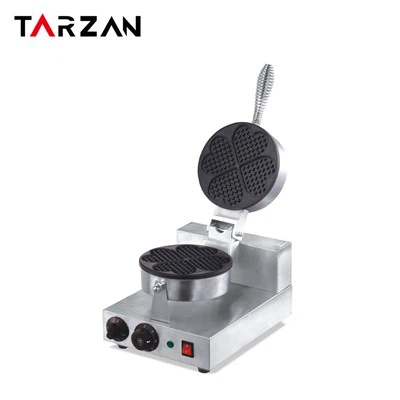
Waffles are a beloved breakfast treat around the world, known for their crispy exterior and fluffy interior. A perfect waffle cooked by a good waffle maker can be a delightful addition to any morning. However, one of the most common issues people face when making waffles is getting them to stick to the waffle maker. This not only makes it difficult to remove the waffles intact but also affects the overall cooking process and the appearance of the final product. As a leading supplier of waffle makers, including the Restaurant Style Waffle Maker, Double Flip Belgian Waffle Maker, Professional Toastie Maker, Commercial Gas Waffle Maker, and Waffle Baker Machine, we understand the importance of a smooth waffle - making experience. In this blog, we'll share some effective tips on how to prevent waffles from sticking to the waffle maker.
1. Pre - heat the Waffle Maker Properly
Pre - heating is a crucial step that many people overlook. A waffle maker needs to reach the right temperature before you start pouring in the batter. When the waffle maker is pre - heated, the batter will start to cook immediately upon contact, forming a thin crust that helps in easy release.
For most waffle makers, pre - heating for about 3 - 5 minutes is sufficient. Check the user manual of your specific waffle maker, as different models may have different pre - heating requirements. Our Double Flip Belgian Waffle Maker has an indicator light that signals when it's ready, making the pre - heating process hassle - free.
2. Use the Right Amount of Batter
Using too much batter is a common reason for waffles sticking to the waffle maker. When you pour in excessive batter, it spills over the edges and into the grooves, causing the waffle to be difficult to remove. On the other hand, too little batter may not cover the entire surface properly.
To determine the right amount of batter, follow the guidelines provided in the waffle maker's manual. Generally, you should pour in enough batter to cover about two - thirds of the pre - heated waffle maker surface. This allows the batter to spread evenly as the maker closes without overflowing. Our Restaurant Style Waffle Maker is designed with clear markings on the surface to help you measure the right amount of batter accurately.
3. Employ the Right Greasing Method
Greasing the waffle maker is one of the simplest and most effective ways to prevent sticking. You can use various types of grease, such as butter, cooking oil, or non - stick cooking spray.
For butter, melt it in a small pan and use a pastry brush to apply an even layer on the waffle maker plates. Make sure to cover all the ridges and grooves. However, be careful not to use too much butter, as it can cause the waffles to become greasy.
Cooking oil is another option. You can use a paper towel or a silicone brush to apply a thin layer of oil on the plates. Olive oil, canola oil, or vegetable oil all work well.
Non - stick cooking sprays are convenient and easy to use. Simply spray a light coating over the waffle maker surface. Make sure to spray evenly and avoid over - spraying, as it can leave a residue.


It's important to note that some of our high - end waffle makers, like the Professional Toastie Maker, come with a non - stick coating. Even with a non - stick coating, a light greasing can still enhance the release of the waffles.
4. Choose the Right Waffle Batter
The consistency and ingredients of the waffle batter can also affect whether the waffles stick to the maker. A batter that is too thick may not spread evenly and can stick more easily. On the other hand, a batter that is too thin may run off the edges and cause a mess.
Make sure to follow a good waffle recipe and measure the ingredients accurately. For a light and fluffy waffle, use ingredients like eggs, milk, flour, and a leavening agent such as baking powder. Adding a bit of oil or melted butter to the batter can also help in preventing sticking.
Some recipes call for using buttermilk instead of regular milk. Buttermilk adds a tangy flavor and can also contribute to a better texture and easier release. Experiment with different recipes to find the one that works best with your waffle maker.
5. Cook at the Appropriate Temperature
Cooking temperature plays a vital role in preventing waffles from sticking. If the temperature is too low, the waffles may not cook properly and can stick to the maker. If the temperature is too high, the waffles may burn on the outside while remaining raw on the inside, and they are also more likely to stick.
Most waffle makers have adjustable temperature settings. Refer to the recipe and the waffle maker's manual to set the appropriate temperature. For a standard waffle, a medium - high temperature usually works well. Our Commercial Gas Waffle Maker allows for precise temperature control, ensuring consistent and delicious waffles every time.
6. Wait for the Right Time to Open the Waffle Maker
Patience is key when making waffles. Opening the waffle maker too soon can cause the waffles to break apart and stick to the plates. You should wait until the waffles are fully cooked before attempting to remove them.
Most waffle makers have indicator lights or timers to let you know when the waffles are ready. If your waffle maker doesn't have these features, look for visual cues. The waffles should be golden brown and have a crispy exterior. You can also gently lift the lid to check the color and texture.
7. Clean the Waffle Maker Regularly
A dirty waffle maker is more likely to cause sticking. Food residue and grease can build up over time, creating a sticky surface. Regular cleaning is essential to maintain the performance of your waffle maker.
After each use, let the waffle maker cool down completely. Then, use a soft brush or a dry cloth to remove any loose crumbs. For more stubborn residue, you can dampen the cloth slightly with warm water and a mild dish soap. Make sure to dry the waffle maker thoroughly before storing it.
Our Waffle Baker Machine has removable plates that are easy to clean, making the maintenance process a breeze.
8. Consider the Type of Waffle Maker
Different types of waffle makers may require different techniques to prevent sticking. For example, flip - style waffle makers, like our Double Flip Belgian Waffle Maker, distribute the batter more evenly, reducing the chances of sticking.
On the other hand, non - flip waffle makers may need a bit more attention to ensure the batter spreads properly. You can use a spatula or a fork to gently spread the batter over the surface.
In conclusion, preventing waffles from sticking to the waffle maker is a matter of following a few simple steps, from pre - heating and using the right amount of batter to proper greasing and cleaning. As a trusted supplier of high - quality waffle makers, we are committed to providing you with the best products and tips to make your waffle - making experience enjoyable and hassle - free.
If you are in the market for a new waffle maker or looking to upgrade your existing one, we invite you to explore our wide range of products. Whether you are a home cook or a professional chef, we have the perfect waffle maker for you. Feel free to contact us to discuss your specific needs and start a procurement - related conversation. We look forward to serving you and helping you create delicious waffles every time.
References
- "The Complete Guide to Waffle Making", Home Cooking Magazine, 2022.
- "Waffle Maker Maintenance and Usage Tips", Appliance Expert Journal, 2023.